
Am I The Problem? Or are you?
How can we understand each other? WHY IS THIS SO HARD!1!1!

I recently had a teenage-esque kerfuffle with a guy, and I lost all my remaining hope in modern love.
The argument was mild at best, yet we both struggled even to perceive the other side. This may be because nothing (at least right now) in our world makes sense. It’s a continuous — and an insanely fast — stimulation of political, social, and technological changes. One may even think that so much stimulation is paralyzing at best. With cancel culture looming over us, you cannot just say something about this or that!
So what?
Well, the guy I had my kerfuffle with responded, “If you think I’m going to be making a single comment, I won’t be.”
Yikes. This is how my friend responded:
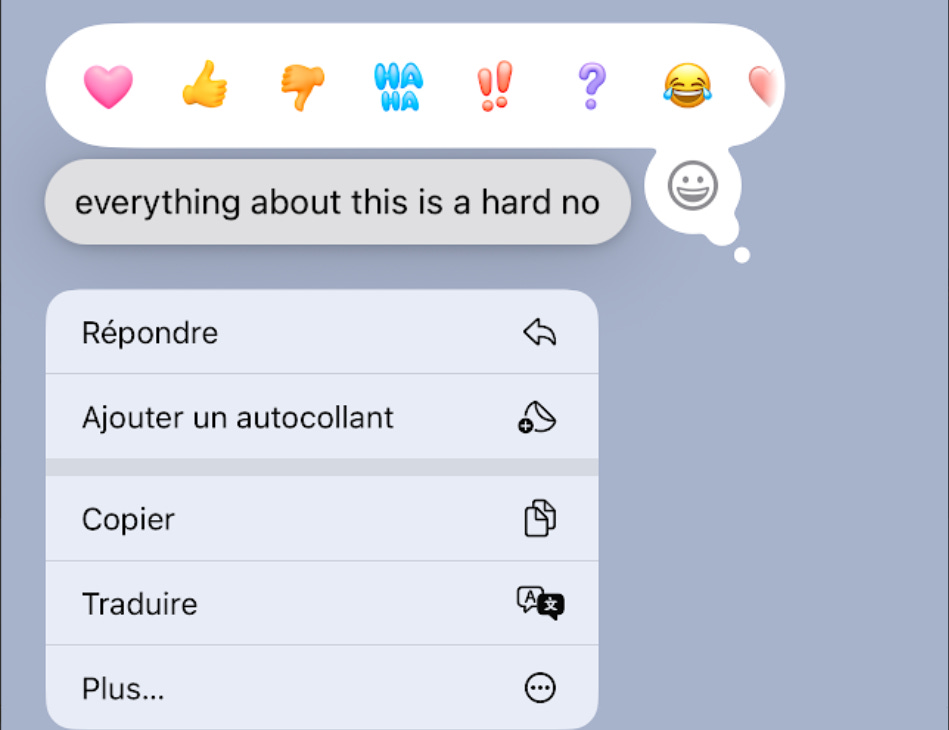
It is easy to get upset at people’s miseducation or ignorance, but we forget that without opening the floor for a conversation, there is no way forward. Two-time World’s debate champion and past Harvard Debate Team Coach, Bo Seo, says, “To be heard, one must first listen.”
But what does this look like in our world today? And why are we so quick to write people off?
Writing people off… & Nietzsche!
In our highly technological age, nothing is hidden. Your friends will find your 2018 Instagram, and the cringey posts of your ex will somehow surface back up.
Yet, there are key parts of our internet lives: short videos and posts, hot takes, and strong responses. This means our key parts are grounded in brevity and visibility. Unfortunately, this causes continuous hot takes over slow reflection, quick moral judgements over nuanced conversations, and “good/bad” labels are quickly assigned.
The majority of internet algorithms tend to favor posts/videos that provoke strong emotions. Canceling someone can go viral faster than a thoughtful, balanced analysis. Often, nuance feels weak or even dangerous in a space that thrives on urgency.
We can often sound very binary — like computers, perhaps even booleans — when we express our stance within recent language.
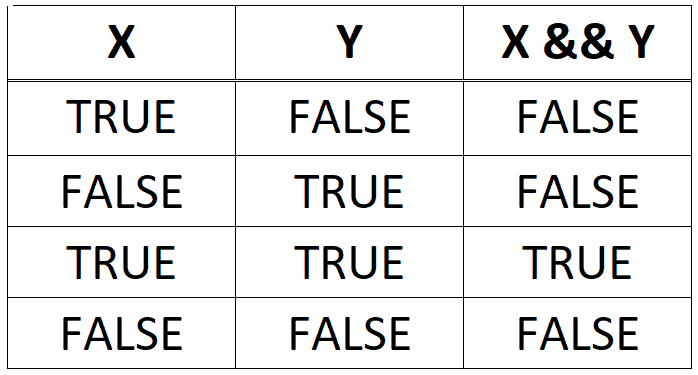
“Well, influencer X is an ally, so I support them, but I unfollowed influencer Y because they’re cancelled.”
This mirrors Nietzsche’s idea of herd morality from Beyond Good and Evil, in which he states, “morality is the herd instinct in the individual.” He warns us about a group of people that adopt ethical stances not because they’ve deeply reasoned through them, but because it’s what the group expects. This morality flattens individuality and shuts discourse (you’re either on the “right side” or on the “wrong side”). It favors social approval over inner conviction, which punishes ambiguity or dissent from the group norm.
Apply this to the current internet world, and we see how public moral consensus can quickly determine who is in or out — who gets cancelled, forgiven, and who never gets a second chance.
From a functional perspective, binary moral thinking simplifies a very complex, convoluted world. In terms of speed, you don’t waste much time or have to investigate every case in detail. Emotionally, it feels safer to have clear lines that help us know where people stand. Socially, it shows who you support and where you belong.
But I’m unsure if simply following binary moral thinking is nice or correct.
Can we please talk?
Nietzsche, at the end of the day, is urging us to see the value in individual moral creativity, even if it challenges social norms.
It is easy to get overwhelmed and end conversations. It is easy to feel like someone is attacking you or your beliefs. It is easy to feel morally superior while not helping the other side at all.
You must remember that you have to open the conversation to gain information, not to win someone over.
Dylan Marron said in his TED Talk, “Empathizing with someone you profoundly disagree with does not comprise your own deeply held beliefs and endorse theirs. It just means acknowledging the humanity of someone who was raised to think differently.”
Oh, and remember to be nice. The most educational discourse is not loud, nor ugly. It is calm and thoughtful.

So. I know you’re wondering about the guy I had a kerfuffle with.
I, more or less, diffused the situation, and he later apologized for getting a little antsy. None of us is perfect anyways.
I leave you with this Anthony Bourdain quote:
“We will, I hope, be judged, eventually, by seemingly small, random acts of kindness and sincerity.”
Au revoir, et merci pour la lecture! A bientot (see you soon)!